
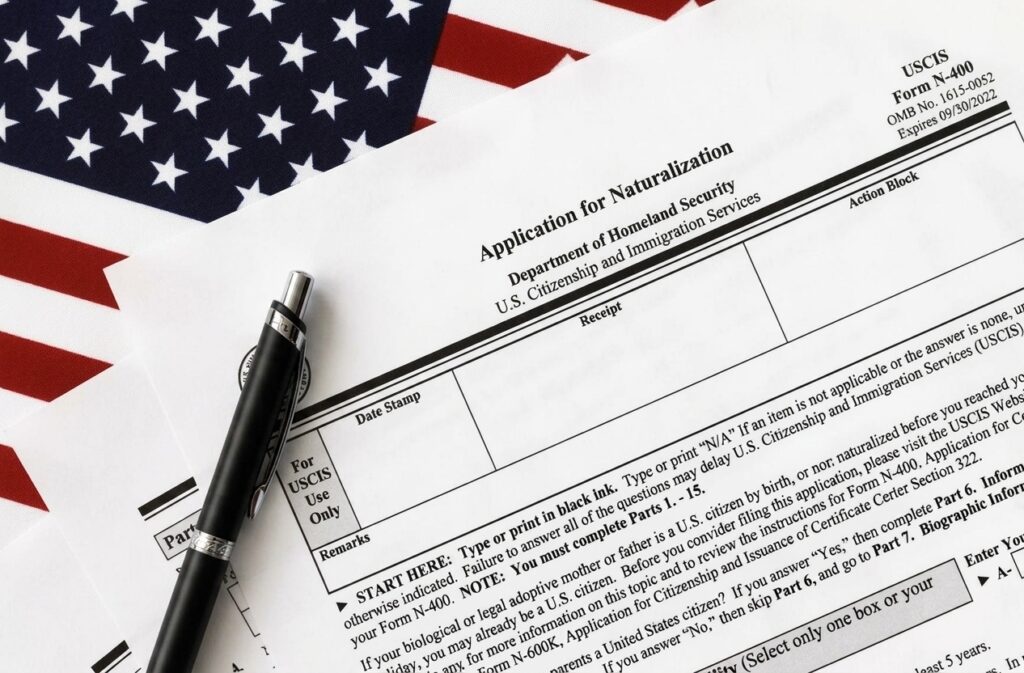
The N-400 fee 2026 proposal would raise naturalization costs from $760 to $1,330 for paper applications. The online fee would go from $710 to $1,280. Fee waivers would also be eliminated. Public comments are open until August 24, 2026.
What Is the N-400 Fee 2026 Proposal?
The Department of Homeland Security (DHS) published a proposed rule in June 2026. It targets Form N-400 — the application you file to become a U.S. citizen. Under the rule, the N-400 fee 2026 increase would be the largest in years.
The new rule would also remove the reduced fee option. Right now, lower-income applicants can pay $380 instead of the full amount. Under the proposal, that option would end.
In addition, the rule would end fee waivers for both Form N-400 and Form N-336. Form N-336 is used to appeal a denied naturalization application. Losing the waiver for that form is a serious concern. Low-income applicants could face hundreds of extra dollars if their first case is denied.
Who Would Be Affected?
Almost anyone who wants to become a U.S. citizen would feel this change. That includes green card holders who are ready to apply for naturalization.
However, active-duty military members and veterans would not be affected. They would still qualify for fee exemptions under existing law.
Current Fees vs. Proposed N-400 Fee 2026
Right now, you pay $760 to file Form N-400 by paper. The online fee is $710. If you qualify for the reduced fee, you pay $380.
Under the proposed rule, the paper fee would jump to $1,330. The online fee would rise to $1,280. The reduced fee option would no longer exist.
Why Is USCIS Raising These Fees?
USCIS says the increase is needed to fund agency operations. The agency is largely fee-funded. Congress does not directly cover most of its costs.
However, critics say the increase is too steep. Many immigrants already pay thousands of dollars in fees throughout the immigration process. Adding another $570 to the citizenship application is a large burden.
The American Immigration Council reports that USCIS’s pending caseload has reached a record 11.3 million cases. Average processing times have nearly doubled — now standing at 18.6 months. Critics say fees are going up, but the service is not getting faster.
How to Comment on the Proposed Rule
This rule is not final. DHS is accepting public comments until August 24, 2026. Submit your comment at Regulations.gov using docket number USCIS-2026-0265-0001.
Your comment can make a difference. USCIS has changed rules before based on public feedback. Share how the N-400 fee 2026 increase or the loss of fee waivers would affect you or your family.
Also This Week: USCIS Can Now Deny Applications Without an RFE
Starting August 5, 2026, USCIS officers can deny immigration applications without first sending a Request for Evidence (RFE). An RFE is a notice asking you to submit more proof. In the past, most applicants received one before a denial.
Under the new policy, if your application is missing required evidence, an officer may deny it right away. This applies to all applications pending or filed on or after August 5, 2026.
What This Means for You
The main takeaway is simple: file complete applications from the start. Do not plan to add documents later.
Also, RFE response deadlines are now shorter. Officers can set their own deadlines. The old 12-week standard is now a maximum, not a guarantee. The 14-day grace period for international mail has also been removed.
If you receive an RFE, respond as quickly as possible. Do not wait until the deadline.
Frequently Asked Questions
What is the N-400 fee 2026 proposal?
DHS proposes raising the Form N-400 paper filing fee from $760 to $1,330. The online fee would go from $710 to $1,280. These are proposals, not final rules. Public comments are due August 24, 2026.
How can I qualify for the current reduced fee?
Right now, applicants with household incomes between 150% and 200% of the federal poverty level may qualify for a reduced fee of $380. However, the proposed rule would eliminate this option.
What happens to the fee waiver for Form N-400?
The proposed rule would end fee waivers for Form N-400 and Form N-336. If the rule passes, low-income applicants who currently qualify for a full waiver would lose that option.
When can USCIS deny my application without an RFE?
As of August 5, 2026, USCIS officers can deny applications missing required evidence without first sending an RFE. This rule applies to all requests pending or filed on August 5, 2026, or later.
What are the most important immigration changes in August 2026?
Key changes this month include the N-400 fee 2026 increase proposal, a new USCIS no-RFE denial policy, a DHS rule allowing mandatory e-filing, and new executive orders on birthright citizenship now being challenged in court.
Call us to schedule an appointment with an immigration attorney to understand how these changes affect your specific case.
Disclaimer: This article is for informational purposes only and does not constitute legal advice. Consult with a qualified immigration attorney to understand how H-1B visa requirements apply to your specific situation.