
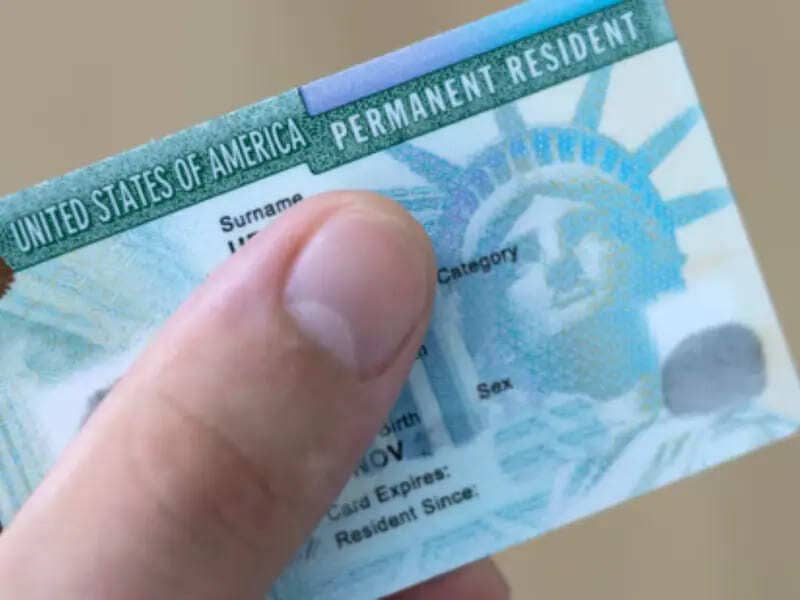
Permanent residence gives you the right to live and work in the United States—but that right isn’t guaranteed forever. The U.S. immigration system includes multiple ways USCIS or Customs & Border Protection (CBP) can determine that a resident has abandoned status, committed a deportable offense, or no longer qualifies to keep a green card.
The good news? Most green card loss happens through patterns and preventable decisions rather than surprise events. Understanding the 10 biggest risk areas puts you in a position to protect your status.
The 9 Risk Areas
- Spending too much time outside the United States. Failing to keep strong residential, financial, family, or community ties here.
- Being convicted of certain crimes, including offenses immigration law treats more harshly than criminal court does.
- Skipping tax filings, filing as a nonresident, or falling into serious tax trouble.
- Falsely claiming to be a U.S. citizen on forms, at work, or for benefits.
- Missing the I-751 deadline on a two-year conditional green card.
- Being accused of marriage fraud, even after the ten-year card is issued.
- Making a material misrepresentation on an immigration filing.
- Failing to report a new address to USCIS within 10 days.
- Signing Form I-407 and voluntarily abandoning permanent residence.
1. Travel Patterns and Weak Ties Can Trigger Abandonment Claims
The most common scenario: a green card holder treats the United States like a stopover instead of a permanent home.
What USCIS looks for:
- Trips of 6+ months invite extra scrutiny at the border.
- Trips of 12+ months can be treated as abandonment unless you have specific documents (re-entry permit, advance parole).
- Repeated shorter trips can show a pattern suggesting you live abroad most of the time.
The key defense? Evidence of a real U.S. life:
- Stable residential address and active lease or mortgage.
- Active bank accounts and credit cards with U.S. addresses.
- Resident tax filings every year.
- Employment or business in the U.S.
- Close family members living here.
- Children enrolled in U.S. schools.
- Valid U.S. driver’s license.
- Community involvement (memberships, volunteer work).
Officers evaluate travel in context. The stronger your ties, the easier it is to explain shorter absences. If your entire life is documented abroad, even 6 months away becomes risky.
2. Criminal Convictions: Immigration Law Treats Them Differently
This is a critical mistake: a criminal plea that seems minor in your state court can trigger deportation proceedings.
Why? Immigration law has its own definitions:
- Crimes involving fraud, theft, drugs, violence, or “moral turpitude” create removal grounds.
- Aggravated felonies are especially dangerous, even if labeled differently in state court.
- Repeated DUI or DWI offenses can lead to removal.
- Pleas, probation, diversions, and some expungements still count for immigration purposes.
The lesson: Get immigration advice before accepting any court disposition. A criminal defense attorney may advise one thing; an immigration attorney might find consequences you didn’t expect.
3. Tax Problems Signal That You Don’t Consider the U.S. Your Home
USCIS uses tax compliance as evidence of where you actually live.
Red flags that threaten your status:
- Missing federal tax returns for years.
- Filing as a “nonresident alien” instead of a resident.
- Ignoring IRS notices or penalties.
- Serious tax debt without a payment plan.
Permanent residents are required to file U.S. resident tax returns every year and report worldwide income.
The practical fix:
- If you’ve missed returns, file amended returns (Form 1040-X) immediately.
- Set up a payment plan if you owe back taxes.
- Keep copies of all IRS transcripts and filing confirmations.
- Stay current going forward.
4. False Claims to Citizenship: One of the Fastest Ways to Lose Your Green Card
Common problem areas:
- Checking “citizen” on Form I-9 (employment eligibility).
- Registering to vote or actually voting.
- Applying for benefits restricted to citizens.
- Using someone else’s passport or birth certificate.
The rule is simple: Never claim to be a U.S. citizen unless you actually are one. If you made a mistake on an old form, consult an immigration attorney immediately.
5. Missing the I-751 Conditional Residence Deadline
If you received a two-year marriage-based or investment-based green card, you must file Form I-751 (Petition to Remove Conditions) during the 90-day window before your card expires.
If you miss that deadline:
- Your green card expires, and you lose status.
- You become deportable.
- You cannot automatically renew—you must file Form I-131 (Advance Parole) if you want to stay in the U.S. while your petition is pending.
Even if the marriage was genuine, USCIS can revisit whether it was real. Keep consistent evidence of a shared life and get legal help immediately if the relationship breaks down.
6. Marriage Fraud Accusations: They Can Come Years Later
USCIS doesn’t stop reviewing once the ten-year green card is issued. The agency can reopen a case if it believes you made a material misrepresentation.
What makes a marriage look suspicious:
- Inconsistent timeline of when you met or started dating.
- No joint bank accounts or shared financial obligations.
- Separate addresses or no cohabitation evidence.
- Gaps in communication or inconsistent knowledge of spouse’s daily life.
- One spouse can’t answer basic questions about the other.
The best defense: Consistent documentation—photos, letters, joint bills, shared travel records, and testimony from family and friends who know the couple well.
7. Material Misrepresentation on Immigration Forms
This covers any information you knowingly gave that affected the outcome of your case—whether on an I-485, I-130, I-140, or any other filing.
Newer data-matching systems make inconsistencies easier to spot:
- Travel history on I-485 vs. passport stamps vs. tax records.
- Claimed addresses vs. driver’s license history.
- Employment information vs. Social Security Administration records.
- Prior immigration filings from other countries.
Honest mistakes aren’t automatically fraud, but correcting old errors should be done carefully with legal advice.
8. Failing to Report an Address Change (Form AR-11)
You must file Form AR-11 (Change of Address) with USCIS within 10 days of moving. This seems minor, but it’s not: failing to file can be treated as an act showing you’ve abandoned residence or are concealing your whereabouts. Changing your address with USPS is not enough.
9. Signing Form I-407: Voluntary Abandonment
Form I-407 (Record of Permanent Resident Leaving the U.S.) is a one-way ticket. Once you sign it:
- You’ve voluntarily abandoned permanent residence.
- Your green card is gone.
- Future visits to the U.S. will likely require a visa.
- You’ll need to restart the immigration process from the beginning.
Never sign Form I-407 unless you’re absolutely certain you don’t want to keep your green card.
How to Protect Your Green Card Status
- Keep travel short. Spend the clear majority of each year in the United States whenever possible.
- Maintain documentation. Keep housing, banking, tax, work, and family connection records.
- Get immigration advice before any plea. Consult an attorney before accepting any criminal disposition.
- File taxes every year. Fix old problems early and keep IRS transcripts.
- Never claim citizenship falsely. Only claim U.S. citizenship if you truly are a citizen.
- Track conditional-residence deadlines. Mark I-751 and address-change deadlines on your calendar months in advance.
- Don’t sign Form I-407 lightly. Only sign if you’re fully prepared to give up permanent residence.
The Bottom Line
Green card loss usually happens through patterns, paperwork, and preventable decisions rather than one surprise event. Residents who treat the United States as their real home, keep their records consistent, and act quickly when problems appear are in the strongest position to protect their status.
If you’re concerned about any of these issues, consult an immigration attorney now. Early intervention is almost always better than trying to fix a crisis later.